Orthopedic
Introduction to Orthopedic Care
Orthopedic care is one of those fields in medicine that almost everyone will encounter at some point in life, whether it’s due to a sports injury, aging joints, or even poor posture from long hours at a desk. At its core, orthopedics focuses on the musculoskeletal system, which includes bones, joints, ligaments, tendons, and muscles. These structures work together to support your body, enable movement, and protect vital organs.
What makes orthopedic care so important is how central movement is to our daily lives. From something as simple as walking to more complex actions like lifting, running, or playing sports, your musculoskeletal system is constantly at work. When something goes wrong—whether it’s a fracture, arthritis, or a torn ligament—it can significantly affect your quality of life.
In recent years, orthopedic medicine has evolved tremendously. With advancements in surgical techniques, imaging technologies, and rehabilitation methods, patients today have access to more effective and less invasive treatments than ever before. This means quicker recovery times, less pain, and better long-term outcomes.
Understanding the Musculoskeletal System
The musculoskeletal system is essentially the body’s framework. It provides structure, stability, and the ability to move. Bones act as the rigid framework, while muscles and connective tissues allow flexibility and motion. Each component plays a unique role, but they all depend on one another to function properly.
Bones are living tissues that constantly remodel themselves. They store minerals like calcium and house bone marrow, which produces blood cells. Joints, where two bones meet, allow movement and are supported by cartilage that reduces friction. Ligaments connect bones to each other, while tendons attach muscles to bones, enabling movement when muscles contract.
One of the most fascinating aspects of this system is its adaptability. For example, regular exercise can strengthen bones and muscles, while inactivity can weaken them. Similarly, injuries can lead to long-term complications if not treated properly. This is where orthopedic specialists come in—they diagnose, treat, and help prevent issues within this system.
Understanding how your body works is the first step toward maintaining orthopedic health. When you know how bones, muscles, and joints interact, it becomes easier to recognize when something is wrong and seek timely treatment.
Common Orthopedic Conditions
Orthopedic conditions are incredibly diverse, ranging from minor injuries to chronic diseases. One of the most common issues people face is arthritis, which involves inflammation of the joints. It can lead to pain, stiffness, and reduced mobility, especially in older adults.
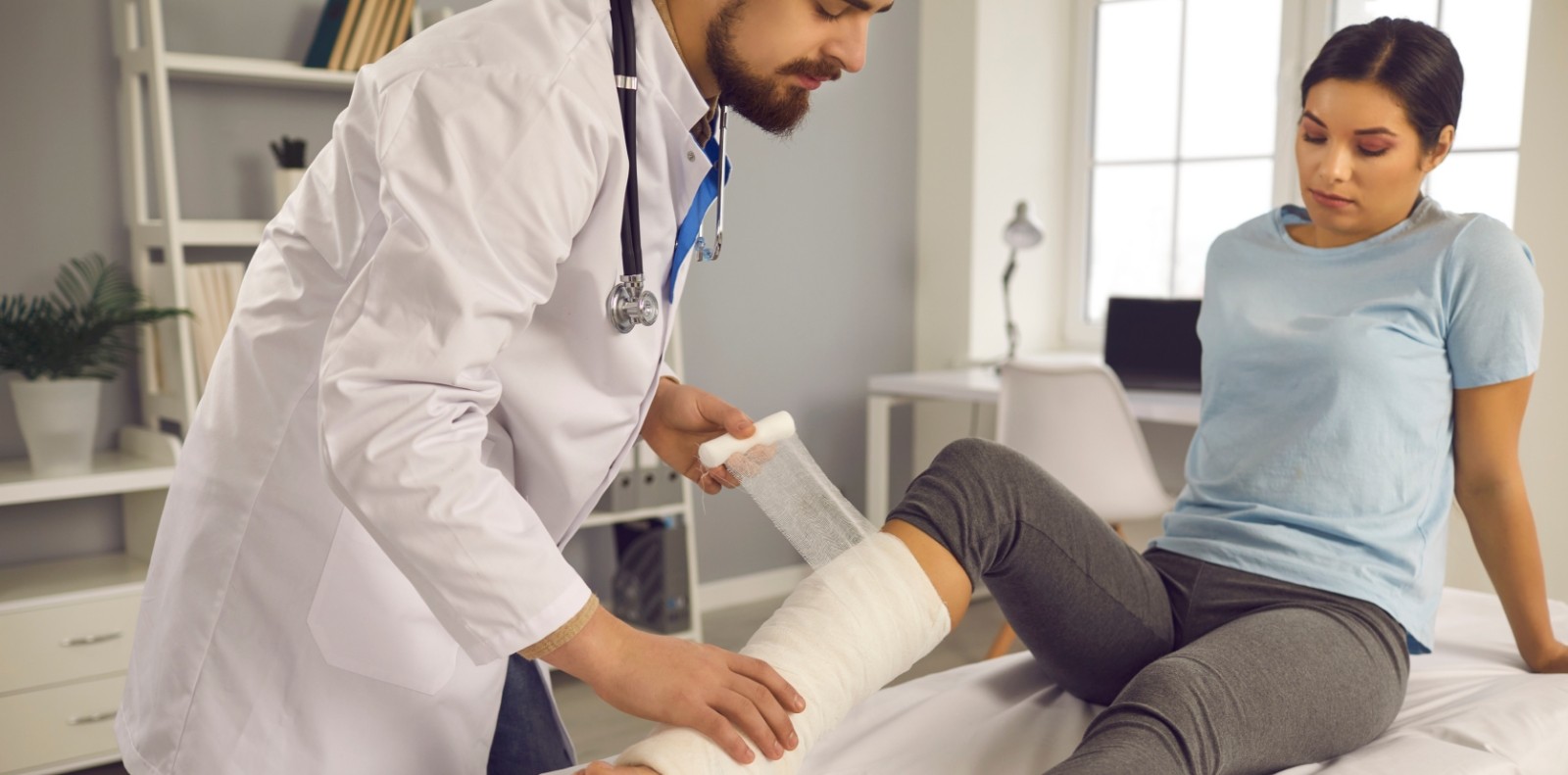
Fractures are another common concern. Whether caused by accidents, falls, or sports injuries, broken bones require proper alignment and healing to restore function. In some cases, surgery may be necessary to ensure the bone heals correctly.
Soft tissue injuries, such as sprains and strains, are also widespread. These injuries affect ligaments and muscles and often occur during physical activity. While they may seem minor, improper treatment can lead to chronic problems.
Then there are conditions like osteoporosis, where bones become weak and brittle, increasing the risk of fractures. This condition is particularly common in older adults and requires long-term management.
The Role of Orthopedic Specialists
Orthopedic specialists are medical professionals trained to diagnose and treat issues related to the musculoskeletal system. They can range from general orthopedic doctors to highly specialized surgeons focusing on areas like the spine, sports injuries, or joint replacement.
Their role begins with diagnosis. Using tools like X-rays, MRIs, and physical examinations, they identify the root cause of a problem. Once diagnosed, they develop a treatment plan tailored to the patient’s needs. This plan may include medication, physical therapy, or surgery.
One of the key strengths of orthopedic specialists is their ability to combine surgical and non-surgical treatments. Not every condition requires surgery, and in many cases, conservative approaches can be highly effective.
They also play a crucial role in prevention and education. By guiding patients on proper posture, exercise, and lifestyle choices, they help reduce the risk of future injuries.
Diagnostic Techniques in Orthopedics
Accurate diagnosis is the foundation of effective treatment in orthopedics. Without understanding the exact nature of an injury or condition, it’s nearly impossible to provide the right care.
Imaging technologies have revolutionized orthopedic diagnostics. X-rays are commonly used to detect fractures and bone abnormalities. MRIs provide detailed images of soft tissues, making them ideal for identifying ligament or tendon injuries. CT scans offer a more comprehensive view of complex structures.
In addition to imaging, physical examinations are equally important. Doctors assess range of motion, strength, and pain levels to get a clearer picture of the issue. In some cases, blood tests or joint fluid analysis may be required.
The combination of these techniques ensures a precise diagnosis, which is critical for successful treatment and recovery.
Non-Surgical Treatment Options
Not all orthopedic conditions require surgery. In fact, many issues can be effectively managed with non-surgical treatments. These approaches are often the first line of defense and can provide significant relief.
Physical therapy is one of the most common non-surgical treatments. It involves exercises and techniques designed to improve strength, flexibility, and mobility. A good physical therapy program can help patients recover from injuries and prevent future problems.
Medications are another option. Pain relievers and anti-inflammatory drugs can help manage symptoms, while certain medications can slow the progression of conditions like arthritis.
Lifestyle modifications also play a big role. Maintaining a healthy weight, staying active, and using proper ergonomics can make a significant difference in orthopedic health.
Surgical Interventions in Orthopedics
When non-surgical treatments are not enough, surgery may be necessary. Orthopedic surgeries range from minor procedures to complex operations, depending on the condition.
Joint replacement surgery is one of the most common orthopedic procedures. It involves replacing damaged joints with artificial ones, often providing significant pain relief and improved mobility.
Arthroscopy is another common technique. It is a minimally invasive procedure that uses a small camera to diagnose and treat joint issues. This approach reduces recovery time and minimizes complications.
Spinal surgeries are more complex and are typically performed to address issues like herniated discs or spinal deformities. Advances in technology have made these procedures safer and more effective.
Rehabilitation and Recovery
Recovery is just as important as treatment in orthopedics. Without proper rehabilitation, even the most successful surgery may not yield the desired results.
Rehabilitation often involves physical therapy, which helps restore strength and mobility. The process can be gradual and requires patience, but it is essential for long-term success.
Patients are also encouraged to follow specific guidelines during recovery. This may include avoiding certain activities, using assistive devices, and attending regular follow-up appointments.
Mental resilience is another important factor. Recovery can be challenging, but a positive mindset can make a significant difference in outcomes.
Preventing Orthopedic Issues
Prevention is always better than cure, especially when it comes to orthopedic health. Simple lifestyle changes can go a long way in reducing the risk of injuries and conditions.
Regular exercise is one of the best ways to maintain strong bones and muscles. Activities like walking, swimming, and strength training can improve overall health and reduce the risk of injuries.
Proper nutrition is equally important. A diet rich in calcium and vitamin D supports bone health, while protein helps maintain muscle strength.
Good posture and ergonomics can prevent many common issues, especially for people who spend long hours sitting. Using the right furniture and taking regular breaks can make a big difference.
Orthopedics in Sports and Fitness
Sports and fitness activities are great for health, but they also come with the risk of injuries. Orthopedic specialists play a crucial role in treating and preventing sports-related injuries.
Common sports injuries include ligament tears, fractures, and muscle strains. These injuries often require specialized care to ensure proper healing and prevent recurrence.
Athletes also benefit from preventive strategies, such as proper warm-ups, strength training, and using the right equipment. These measures can significantly reduce the risk of injuries.
Orthopedic care in sports is not just about treatment—it’s also about optimizing performance and ensuring long-term health.
The Future of Orthopedic Medicine
Orthopedic medicine is constantly evolving, with new technologies and techniques emerging all the time. One of the most exciting developments is the use of robotics in surgery, which allows for greater precision and better outcomes.
Regenerative medicine is another promising area. Techniques like stem cell therapy and platelet-rich plasma (PRP) injections are being explored to promote healing and reduce the need for surgery.
Wearable technology is also making its way into orthopedics. Devices that track movement and monitor recovery can provide valuable insights and improve patient care.
The future of orthopedics looks incredibly promising, with advancements aimed at improving patient outcomes and quality of life.
Conclusion
Orthopedic health is a vital aspect of overall well-being. From understanding the musculoskeletal system to exploring treatment options and preventive strategies, there’s a lot to consider.
The good news is that with the right knowledge and care, most orthopedic issues can be effectively managed. Whether it’s through lifestyle changes, non-surgical treatments, or advanced surgical procedures, there are solutions available for almost every condition.
Taking care of your bones, joints, and muscles is an investment in your future. By staying informed and proactive, you can maintain mobility, reduce pain, and enjoy a better quality of life.
YOU MAY HAVE MISSED
About the Author