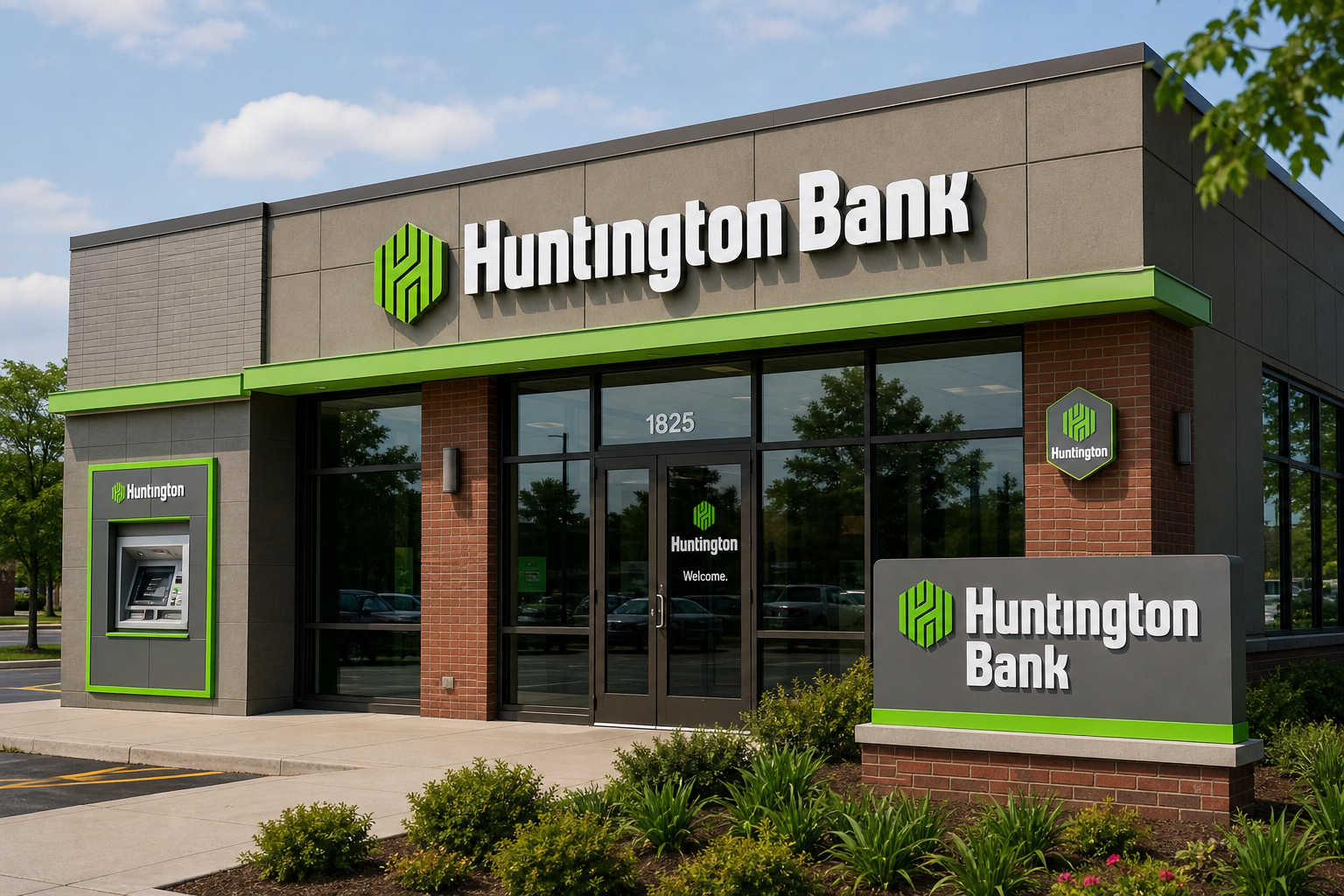
Huntington Bank
Introduction to Huntington Bank
Huntington Bank is one of those financial institutions that has quietly built a strong reputation over time. While it may not always dominate headlines like some global banks, it has steadily earned trust through consistent service, customer-focused innovation, and regional strength. If you’ve ever looked into mid-sized American banks with a solid footprint in the Midwest, Huntington is almost always part of the conversation.
What makes Huntington interesting isn’t just its longevity, but how it has adapted to changing financial landscapes. Banking has transformed dramatically over the past two decades—digital services, mobile apps, fintech disruption—and Huntington has managed to stay relevant while still maintaining a “community bank” feel. That balance is harder to achieve than it sounds, and it’s a big reason the bank stands out.
In this guide, we’re going to break everything down in detail—from its history and services to its strengths, weaknesses, and future outlook. Whether you’re a curious reader, a potential customer, or someone researching financial institutions, this deep dive will give you a complete understanding of Huntington Bank.
The History and Evolution of Huntington Bank
Huntington Bank’s roots go all the way back to the 19th century, which already tells you something important—it has survived economic cycles, recessions, technological shifts, and regulatory changes. That kind of resilience doesn’t happen by accident. It’s usually the result of careful management and a willingness to evolve.
Originally founded in Columbus, Ohio, the bank started as a relatively small regional institution. In its early years, its primary focus was on serving local communities—providing loans, handling deposits, and supporting small businesses. This community-centered philosophy would later become one of its defining traits.
Over time, Huntington expanded its reach across multiple states, particularly in the Midwest. Strategic mergers and acquisitions played a major role in this growth. Instead of aggressive, risky expansion, the bank opted for calculated moves that strengthened its market presence without compromising stability.
In recent years, Huntington has leaned heavily into digital transformation. Like many traditional banks, it faced competition from fintech startups and online-only banks. Rather than resisting change, it invested in modern banking technologies, improving its mobile app, online banking platform, and digital customer experience. This shift has helped it remain competitive in a rapidly evolving financial environment.
Core Banking Services Offered by Huntington
At its core, Huntington Bank provides the full suite of traditional banking services—but it does so with a few unique touches that set it apart. Let’s break down the main offerings and what they mean for customers.
Personal Banking
Huntington offers a range of personal banking products designed for everyday users. These include checking accounts, savings accounts, and money market accounts. What stands out is the flexibility in account options—customers can choose accounts based on their financial habits rather than being forced into a one-size-fits-all model.
The bank is particularly known for features like “24-Hour Grace,” which gives customers extra time to avoid overdraft fees. That might seem like a small detail, but in practice, it can save customers a lot of money and stress. It’s a clear example of Huntington’s customer-first approach.
Savings products are also competitive, although not always the highest in terms of interest rates. Instead, the focus is on accessibility and ease of use. For many customers, convenience and reliability matter more than squeezing out a slightly higher return.
Business Banking
Huntington has a strong reputation in business banking, especially among small and medium-sized enterprises. This isn’t surprising given its community banking roots. The bank offers business checking accounts, credit lines, loans, and treasury management services.
One of its key strengths is relationship-based banking. Rather than treating businesses as just account numbers, Huntington often works closely with clients to understand their needs and provide tailored solutions. This approach can be particularly valuable for growing businesses that need flexibility and guidance.
The bank also supports startups and entrepreneurs with specialized financial products. Access to capital can be a major challenge for new businesses, and Huntington’s willingness to lend in this space has earned it positive recognition.
Lending and Credit Services
Lending is a major part of Huntington’s operations. The bank provides a wide range of loan products, including personal loans, auto loans, mortgages, and business loans.
Mortgage services are especially robust, with options for first-time homebuyers, refinancing, and investment properties. Huntington’s mortgage advisors often focus on simplifying the process, which can otherwise feel overwhelming for many people.
Auto loans and personal loans are also competitive, with straightforward terms and relatively quick approval processes. While rates depend on creditworthiness, the bank generally aims to keep things transparent and accessible.
Digital Banking Experience
In today’s world, a bank’s digital experience can make or break its reputation. Huntington has clearly recognized this and invested heavily in improving its online and mobile platforms.
The mobile app is intuitive and user-friendly, offering features like mobile check deposit, real-time alerts, and budgeting tools. Customers can manage their accounts, transfer funds, and pay bills with minimal friction. The design focuses on simplicity, which is exactly what most users want.
Online banking is equally robust. Whether you’re accessing your account from a desktop or tablet, the experience is consistent and reliable. Security measures, such as multi-factor authentication, add an extra layer of protection without making the process cumbersome.
One of the standout aspects is how Huntington blends digital convenience with human support. Customers can easily reach out to customer service when needed, ensuring that technology doesn’t replace the personal touch entirely.
Customer Experience and Service Philosophy
Huntington Bank places a strong emphasis on customer experience, and this is where it truly differentiates itself. Many banks claim to be customer-focused, but Huntington backs it up with tangible policies and features.
The “24-Hour Grace” policy is a perfect example. It shows that the bank understands real-life financial situations and is willing to offer flexibility. This kind of policy builds trust and loyalty over time.
Customer service is generally well-rated, with a focus on responsiveness and helpfulness. Whether customers interact through a branch, phone, or online chat, the goal is to provide clear and effective support.
Branch banking is still an important part of Huntington’s strategy. While many banks are reducing their physical presence, Huntington continues to maintain branches in key areas. This hybrid approach—combining digital convenience with physical accessibility—appeals to a wide range of customers.
Strengths of Huntington Bank
Huntington Bank has several strengths that contribute to its solid reputation. First and foremost is its balance between innovation and tradition. It has embraced modern technology without losing its community-oriented roots.
Another major strength is its customer-friendly policies. Features like overdraft grace periods and transparent fee structures make banking less stressful for customers. These policies are not just marketing gimmicks—they have real financial benefits.
The bank’s regional expertise is also worth noting. By focusing primarily on the Midwest, Huntington has developed a deep understanding of local markets. This allows it to offer more tailored services compared to larger, more generalized banks.
Finally, its strong presence in business banking gives it an edge. Small and medium-sized businesses often need more personalized service, and Huntington excels in this area.
Potential Drawbacks to Consider
No bank is perfect, and Huntington is no exception. One of the main limitations is its geographic reach. While it has expanded significantly, it’s still not as widespread as some national banks. This can be a drawback for customers who move frequently or need access to branches in multiple regions.
Interest rates on savings accounts are another area where Huntington may fall short compared to online-only banks. Digital banks often offer higher yields because they have lower overhead costs.
Additionally, while the digital experience is strong, it may not always match the cutting-edge features offered by fintech companies. Huntington is competitive, but it tends to prioritize reliability over experimentation.
These drawbacks don’t necessarily make it a poor choice—they just highlight areas where other institutions might have an edge depending on your needs.
Huntington Bank vs Competitors
When comparing Huntington Bank to its competitors, it’s important to consider what you value most in a financial institution. If you prioritize personalized service and community focus, Huntington is a strong contender.
Compared to large national banks, Huntington often feels more approachable. Customers are less likely to feel like just another account number. This can make a significant difference, especially when dealing with complex financial needs.
On the other hand, online-only banks may offer better interest rates and lower fees. However, they lack the physical presence and personal interaction that Huntington provides.
In many ways, Huntington sits in the middle—it offers a blend of traditional and modern banking that appeals to a broad audience.
Financial Stability and Growth
Financial stability is a critical factor when choosing a bank, and Huntington performs well in this area. As part of Huntington Bancshares, it has a strong financial foundation and a history of steady growth.
The bank’s conservative approach to expansion has helped it avoid major financial pitfalls. While it may not grow as aggressively as some competitors, this stability is reassuring for customers.
Recent acquisitions and strategic initiatives have further strengthened its position. By expanding its footprint and enhancing its services, Huntington continues to build on its solid foundation.
The Future of Huntington Bank
Looking ahead, Huntington Bank is well-positioned for continued success. The financial industry is evolving rapidly, but the bank’s balanced approach gives it a competitive advantage.
Digital innovation will likely remain a key focus. As customer expectations continue to shift, Huntington will need to keep improving its online and mobile offerings. At the same time, maintaining its strong customer relationships will be crucial.
Sustainability and social responsibility are also becoming more important in banking. Huntington has already taken steps in this direction, and it’s likely to expand these efforts in the future.
Overall, the bank’s future looks promising. It has the experience, resources, and strategy needed to navigate the challenges ahead.
Final Thoughts
Huntington Bank is a solid choice for individuals and businesses looking for a reliable, customer-focused financial institution. It may not always offer the highest interest rates or the flashiest features, but it excels where it matters most—trust, service, and consistency.
Its ability to combine traditional banking values with modern technology makes it particularly appealing in today’s environment. Whether you’re opening your first account, managing a business, or planning for the future, Huntington provides the tools and support you need.
In the end, choosing a bank comes down to your priorities. If you value a balance of personal service, digital convenience, and financial stability, Huntington Bank is definitely worth considering.
YOU MAY HAVE MISSED
About the Author