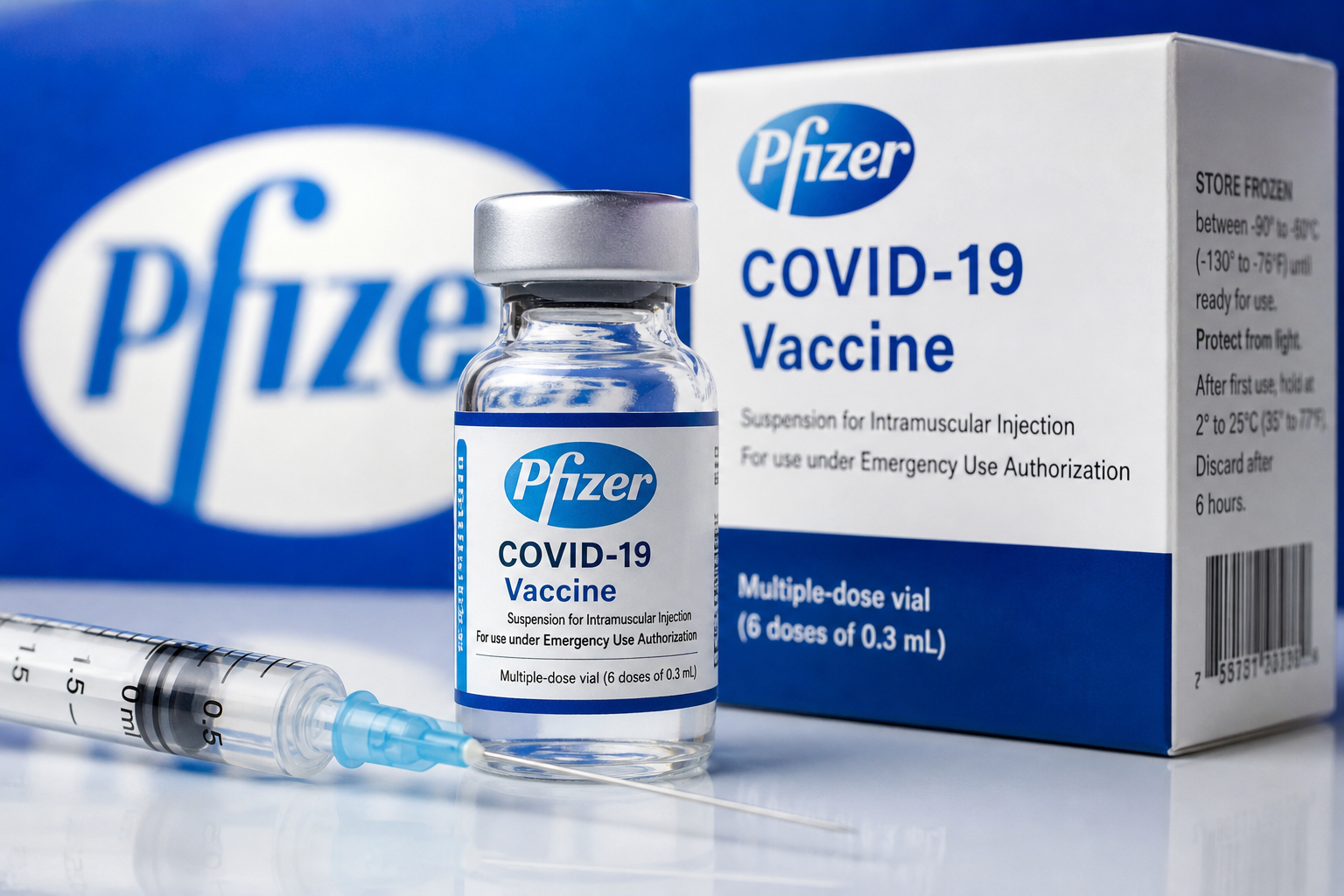
Pfizer Vaccine
Introduction to the COVID-19 Pandemic and Vaccine Development
The emergence of COVID-19 reshaped the modern world in ways few could have anticipated. What began as a localized outbreak quickly evolved into a global health crisis, affecting millions of lives and placing immense pressure on healthcare systems. Governments, scientists, and pharmaceutical companies were suddenly faced with the urgent task of developing safe and effective vaccines in record time.
Among the many vaccines developed, the Pfizer vaccine stood out as one of the first to receive emergency use authorization. Developed through a collaboration between Pfizer and BioNTech, it marked a major milestone in medical science. Not only was it highly effective, but it also introduced mRNA technology to the global stage in a way never seen before.
This article takes a deep dive into every aspect of the Pfizer vaccine—from its scientific foundation to its global impact. Whether you’re curious about how it works or interested in its long-term implications, this guide covers it all in a clear and expert-driven yet approachable tone.
Understanding mRNA Technology: The Science Behind the Pfizer Vaccine
At the heart of the Pfizer vaccine lies messenger RNA (mRNA) technology, which represents a revolutionary approach to immunization. Unlike traditional vaccines that use weakened or inactivated viruses, mRNA vaccines work by instructing cells to produce a harmless piece of the virus—specifically, the spike protein.
Once the spike protein is created, the immune system recognizes it as foreign and begins building a defense. This includes the production of antibodies and the activation of T-cells. The brilliance of this approach is that it trains the immune system without exposing the body to the actual virus.
Another advantage of mRNA technology is its flexibility. Scientists can quickly adapt the vaccine to target new variants by modifying the genetic code. This adaptability proved especially valuable as COVID-19 continued to evolve over time, presenting new challenges for global health systems.
Development and Clinical Trials: Speed Without Compromising Safety
The rapid development of the Pfizer vaccine raised eyebrows initially, with many wondering how it could be produced so quickly without cutting corners. In reality, the speed was the result of unprecedented global collaboration, prior research on similar viruses, and significant financial investment.
Clinical trials were conducted in multiple phases, involving tens of thousands of participants from diverse backgrounds. These trials were designed to assess safety, efficacy, and potential side effects. The results were remarkable, showing an efficacy rate of around 95% in preventing symptomatic COVID-19 infection.
Regulatory agencies around the world, including the U.S. Food and Drug Administration and the World Health Organization, carefully reviewed the data before granting approval. Their endorsement provided confidence to governments and the public alike, paving the way for mass vaccination campaigns.
How the Pfizer Vaccine Works Inside the Body
Once administered, the Pfizer vaccine begins its work almost immediately. The mRNA enters the body’s cells and provides instructions to produce the spike protein. This process occurs in the cytoplasm and does not interact with the cell’s DNA, addressing one of the common misconceptions about the vaccine.
The immune system then kicks into gear, identifying the spike protein as a threat. Antibodies are produced to neutralize it, while memory cells are formed to ensure a quicker response if the actual virus is encountered in the future. This dual-layered defense is what makes the vaccine so effective.
Importantly, the mRNA itself is short-lived. It breaks down naturally within the body after delivering its instructions. This ensures that there are no long-term genetic changes, making the vaccine both effective and safe from a biological standpoint.
Efficacy and Effectiveness Against Variants
One of the most critical aspects of any vaccine is its ability to adapt to evolving threats. The Pfizer vaccine has shown strong performance against multiple variants of COVID-19, although its effectiveness can vary depending on the strain.
For instance, early variants like Alpha and Beta were effectively neutralized by the vaccine. However, later variants such as Delta and Omicron presented new challenges due to mutations in the spike protein. Despite this, the vaccine continued to offer strong protection against severe illness, hospitalization, and death.
Booster doses were introduced to enhance immunity and counteract waning protection. These boosters significantly improved antibody levels, providing renewed defense against emerging variants and reinforcing the importance of ongoing vaccination efforts.
Side Effects and Safety Profile
Like all medical interventions, the Pfizer vaccine is not without side effects. However, most reported reactions are mild to moderate and resolve within a few days. Common side effects include pain at the injection site, fatigue, headache, and mild fever.
Rare side effects have also been observed, such as myocarditis, particularly in younger males. While these cases received significant attention, they remain extremely uncommon and are generally mild compared to the risks associated with COVID-19 itself.
Extensive monitoring systems have been put in place to track adverse events. Organizations like the Centers for Disease Control and Prevention continue to analyze data and update guidelines as needed, ensuring that public safety remains a top priority.
Global Distribution and Accessibility Challenges
Distributing the Pfizer vaccine on a global scale presented unique challenges. One of the main hurdles was its requirement for ultra-cold storage, which made transportation and storage difficult in regions with limited infrastructure.
Despite these challenges, efforts were made to ensure equitable access. Initiatives like COVAX aimed to provide vaccines to low- and middle-income countries, although disparities in distribution persisted.
High-income countries were able to secure large quantities early on, while others faced delays. This imbalance highlighted the need for better global coordination and investment in healthcare infrastructure to prepare for future pandemics.
Public Perception and Vaccine Hesitancy
Public perception played a crucial role in the success of vaccination campaigns. While many embraced the Pfizer vaccine, others remained hesitant due to concerns about safety, misinformation, and mistrust in institutions.
Social media platforms became a double-edged sword, spreading both accurate information and harmful myths. Addressing vaccine hesitancy required targeted communication strategies, transparency, and community engagement.
Healthcare professionals and local leaders played a vital role in building trust. By providing clear and evidence-based information, they helped bridge the gap between scientific knowledge and public understanding.
Booster Shots and Long-Term Immunity
As the pandemic evolved, it became clear that immunity from the initial vaccine doses could wane over time. Booster shots were introduced to reinforce protection and extend immunity.
Studies showed that booster doses significantly increased antibody levels and improved protection against variants. This was particularly important for vulnerable populations, including the elderly and those with underlying health conditions.
The concept of long-term immunity is still being studied, but current evidence suggests that periodic boosters may be necessary. Ongoing research continues to refine vaccination strategies to ensure sustained protection.
The Role of Pfizer Vaccine in Ending the Pandemic
The Pfizer vaccine has played a pivotal role in reducing the global impact of COVID-19. By preventing severe illness and reducing transmission, it has helped ease the burden on healthcare systems and save countless lives.
Mass vaccination campaigns have allowed many countries to reopen economies and return to a sense of normalcy. While challenges remain, the vaccine has been a cornerstone in the fight against the pandemic.
It also set a precedent for rapid vaccine development, demonstrating what is possible when science, funding, and global cooperation align toward a common goal.
Future Implications of mRNA Vaccines
The success of the Pfizer vaccine has opened new doors for mRNA technology. Researchers are now exploring its potential in treating other diseases, including cancer, influenza, and rare genetic disorders.
This technology offers a level of precision and adaptability that was previously unimaginable. It allows for faster development timelines and more targeted treatments, which could revolutionize modern medicine.
As research continues, mRNA vaccines may become a standard tool in combating a wide range of health challenges, marking a new era in biomedical innovation.
Conclusion: A Turning Point in Medical History
The Pfizer vaccine represents more than just a response to a global crisis—it marks a turning point in how we approach disease prevention and treatment. Its development showcased the power of science, collaboration, and innovation in addressing one of the most pressing challenges of our time.
While no solution is perfect, the Pfizer vaccine has proven to be a safe and effective tool in reducing the impact of COVID-19. It has saved lives, restored hope, and laid the groundwork for future advancements in medicine.
YOU MAY HAVE MISSED
About the Author