Copenhagen
Introduction to Copenhagen
Copenhagen is one of those cities that quietly impresses you the more time you spend with it. At first glance, it feels calm, orderly, and effortlessly stylish—but beneath that surface lies a rich blend of history, culture, innovation, and a deep-rooted commitment to quality of life. As the capital of Denmark, Copenhagen has evolved from a modest Viking fishing village into a modern European powerhouse that consistently ranks among the world’s most livable cities.
What makes Copenhagen stand out is its balance. You’ll find centuries-old castles and cobblestone streets coexisting with cutting-edge architecture and sustainable urban planning. The city doesn’t try too hard to impress—it simply functions beautifully. From its efficient public transport to its bike-friendly streets, everything feels intentional and thoughtfully designed.
Another defining aspect of Copenhagen is its atmosphere. It’s relaxed but not boring, sophisticated but not intimidating. Locals embrace a lifestyle centered around comfort, community, and well-being—often summed up in the Danish concept of hygge. This sense of coziness and contentment is something visitors notice almost immediately.
The Historical Evolution of Copenhagen
Copenhagen’s story dates back over a thousand years, beginning as a small settlement known as “Købmændenes Havn,” meaning “merchants’ harbor.” Its strategic location along the Baltic Sea quickly made it a hub for trade and commerce. By the 15th century, it had become the capital of Denmark, setting the stage for centuries of political and cultural significance.
During the reign of King Christian IV, Copenhagen underwent major transformation. He was responsible for many of the city’s iconic landmarks, including castles, churches, and districts that still define its character today. His vision turned Copenhagen into a major European city, blending Renaissance architecture with Nordic practicality.
However, the city has not been without hardship. Fires, wars, and bombings—especially during the Napoleonic era—left their mark. Yet each time, Copenhagen rebuilt itself stronger and more refined. This resilience is embedded in the city’s identity, giving it a depth that goes beyond its picturesque appearance.
Iconic Landmarks and Must-See Attractions
No visit to Copenhagen is complete without exploring its famous landmarks. One of the most recognizable is The Little Mermaid. Inspired by the fairy tale by Hans Christian Andersen, this small yet symbolic statue has become an enduring icon of the city.
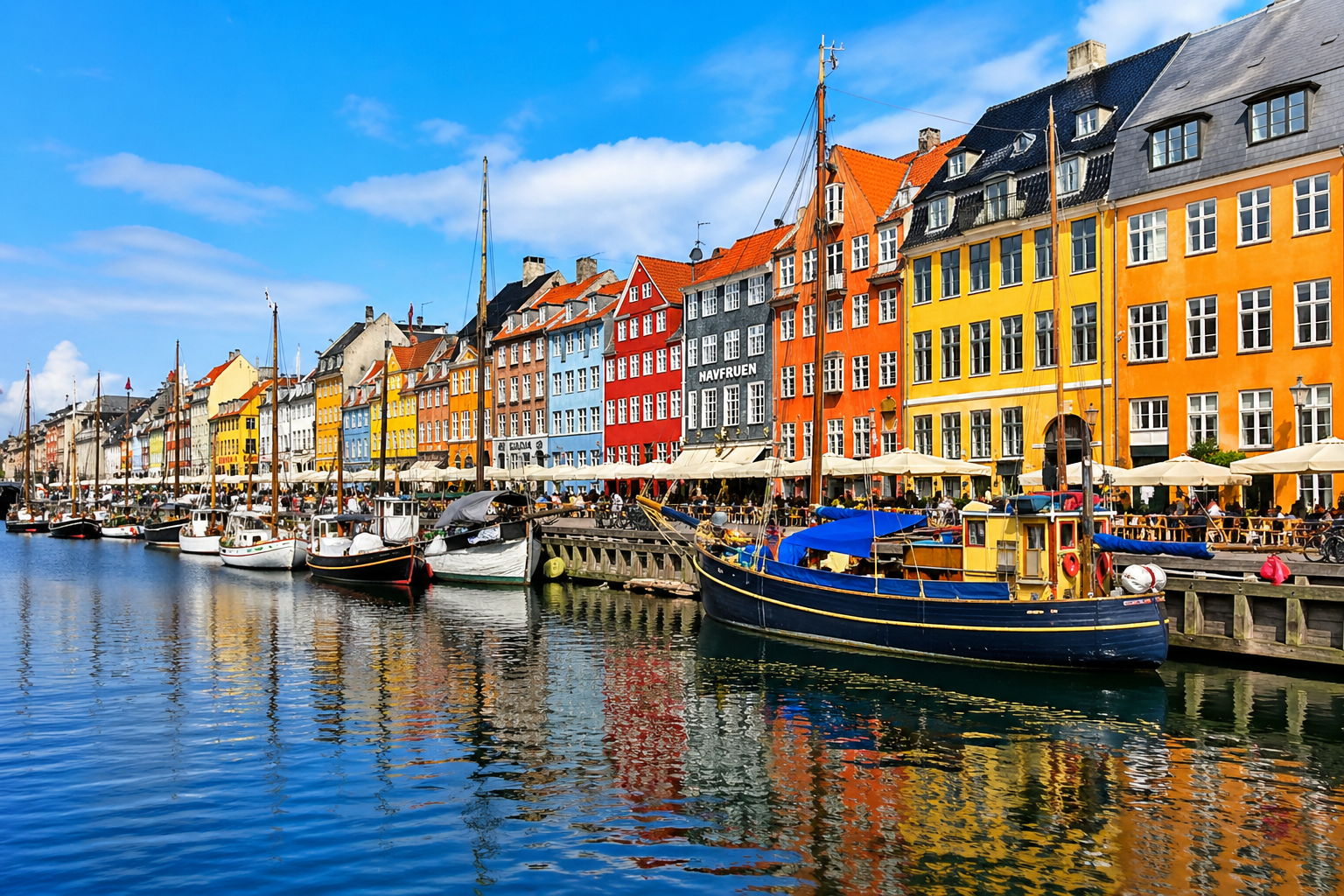
Another highlight is Nyhavn, with its colorful 17th-century buildings lining a picturesque canal. It’s one of the most photographed areas in Denmark, and for good reason. Whether you’re enjoying a meal at a waterfront café or simply strolling along the harbor, Nyhavn captures the essence of Copenhagen’s charm.
Then there’s Tivoli Gardens, one of the oldest amusement parks in the world. Opened in 1843, Tivoli blends nostalgia with modern entertainment. It’s not just a theme park—it’s a cultural experience filled with concerts, gardens, and seasonal festivals that attract visitors year-round.
Copenhagen’s Unique Culture and Lifestyle
Copenhagen’s culture is deeply rooted in simplicity, equality, and quality of life. The Danish concept of hygge plays a central role, emphasizing comfort, warmth, and togetherness. It’s not just about candles and cozy blankets—it’s a mindset that values slowing down and appreciating the moment.
Another defining feature is the city’s strong emphasis on sustainability. Copenhagen aims to become the world’s first carbon-neutral capital, and it’s already well on its way. Bicycles dominate the streets, with more bikes than cars in the city center. Cycling isn’t just a trend here—it’s a way of life.
The people of Copenhagen are known for being friendly yet reserved. They value personal space and independence but are always willing to help if needed. This balance creates a welcoming environment for visitors while maintaining a sense of authenticity.
Food Scene: From Traditional to World-Class Dining
Copenhagen’s culinary scene has gained international recognition, particularly with the rise of New Nordic cuisine. At the forefront is Noma, often ranked among the best restaurants in the world. It redefined how people view Nordic ingredients, focusing on local, seasonal, and innovative dishes.
Traditional Danish food is equally important. Dishes like smørrebrød (open-faced sandwiches), pickled herring, and Danish pastries offer a taste of the country’s heritage. These foods are simple yet flavorful, reflecting the Danish philosophy of quality over complexity.
Street food and casual dining have also flourished. Markets like Reffen provide a diverse range of global cuisines in a relaxed setting. Whether you’re dining at a Michelin-star restaurant or grabbing a quick bite, Copenhagen delivers an exceptional food experience.
Architecture: A Blend of Old and New
Copenhagen’s architecture tells the story of its evolution. Historic buildings like Rosenborg Castle showcase Renaissance elegance, while modern structures push the boundaries of design. The city embraces innovation without losing its historical identity.
Contemporary architecture firms have transformed Copenhagen into a hub for sustainable design. Buildings are not only visually striking but also environmentally conscious. Features like green roofs, energy-efficient systems, and waterfront integration are common.
The contrast between old and new is what makes Copenhagen visually fascinating. You can walk from a medieval street into a futuristic district within minutes, and somehow it all feels cohesive.
Transportation and Urban Planning
Copenhagen is often cited as a model for urban planning. Its infrastructure prioritizes people over cars, making it one of the most pedestrian- and cyclist-friendly cities in the world. Dedicated bike lanes, efficient public transport, and compact city design make getting around incredibly easy.
The metro system is clean, reliable, and driverless, reflecting the city’s commitment to innovation. Buses and trains connect every part of the city seamlessly, ensuring accessibility for residents and visitors alike.
What truly sets Copenhagen apart is its focus on livability. Urban spaces are designed for community interaction, with parks, waterfronts, and public squares playing a central role. This thoughtful planning contributes to the city’s high quality of life.
Art, Museums, and Creative Expression
Copenhagen has a thriving art scene that spans traditional and contemporary forms. Museums like Ny Carlsberg Glyptotek house impressive collections of classical and modern art, offering a deep dive into artistic history.
The city also embraces modern creativity through galleries, street art, and design exhibitions. Danish design, known for its minimalism and functionality, is a global influence. From furniture to fashion, Copenhagen continues to set trends.
Music and performing arts are equally vibrant. Concert halls, theaters, and festivals ensure there’s always something happening. Creativity is not confined to institutions—it’s part of everyday life in .
Parks, Nature, and Outdoor Life
Despite being a capital city, Copenhagen offers plenty of green spaces. Parks like Fælledparken provide a peaceful escape from urban life. Locals use these spaces for relaxation, sports, and social gatherings.
The city’s relationship with water is another highlight. Harbor baths allow people to swim in clean, safe waters right in the city. This connection to nature enhances the overall living experience.
Outdoor activities are a big part of daily life. Whether it’s cycling along scenic routes or enjoying a picnic by the water, Copenhagen encourages people to spend time outside.
Shopping and Fashion
is a paradise for shoppers, especially those who appreciate design and quality. The main shopping street, Strøget, offers everything from luxury brands to local boutiques.
Danish fashion is known for its understated elegance. Brands focus on clean lines, neutral colors, and high-quality materials. The city’s fashion scene reflects its broader cultural values—simplicity, functionality, and sustainability.
Markets and independent stores add to the experience, offering unique items you won’t find anywhere else. Shopping in Copenhagen is less about excess and more about thoughtful choices.
Why Copenhagen Stands Out Globally
Copenhagen consistently ranks among the best cities in the world for quality of life, sustainability, and happiness. Its success lies in its ability to prioritize people over profit, creating an environment where residents can thrive.
The city’s commitment to sustainability sets a global example. From renewable energy to waste management, is leading the way in addressing environmental challenges.
Ultimately, what makes special is its authenticity. It doesn’t rely on flashy attractions or over-the-top experiences. Instead, it offers a balanced, thoughtful, and genuinely enjoyable way of life.
Conclusion
Copenhagen is more than just a travel destination—it’s a model for how cities can function at their best. With its rich history, vibrant culture, innovative design, and focus on well-being, it offers something truly unique.
Whether you’re exploring its historic streets, enjoying its culinary delights, or simply soaking in its atmosphere, Copenhagen leaves a lasting impression. It’s a city that doesn’t just meet expectations—it quietly exceeds them in ways that matter most.
YOU MAY HAVE MISSED
About the Author