Introduction to LinkedIn
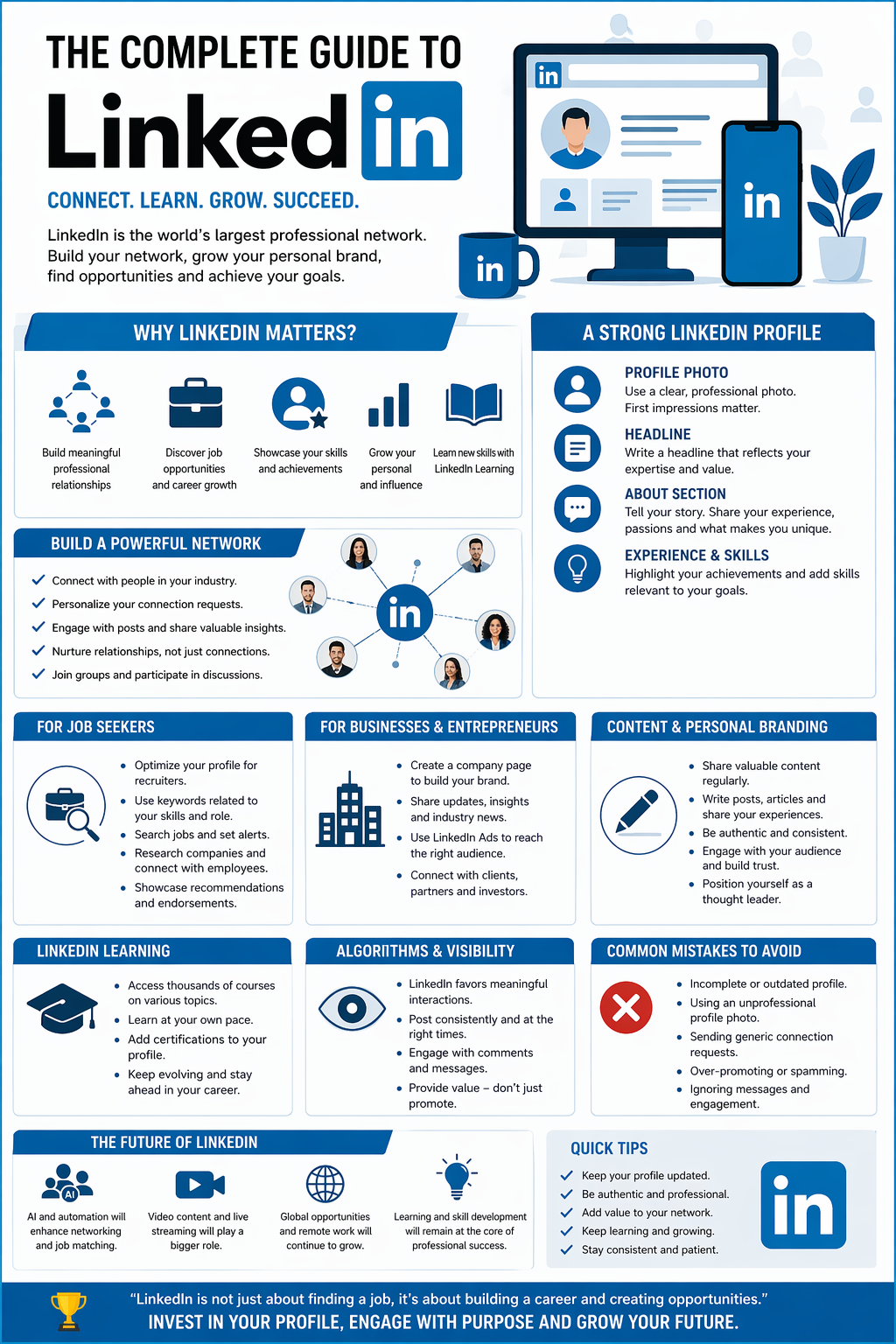
When people think about social media, platforms like Instagram or TikTok often come to mind first. However, LinkedIn occupies a completely different space. It’s not just another app to scroll through—it’s a powerful professional ecosystem designed to connect people, opportunities, and ideas. Over the years, it has evolved from a simple digital resume hub into a dynamic platform where careers are built, businesses grow, and thought leadership thrives.
At its core, LinkedIn is about relationships. Whether you’re a student trying to land your first internship, a freelancer seeking clients, or a CEO building a personal brand, the platform offers tools that cater to all professional stages. Unlike traditional networking, which often depends on physical presence and chance encounters, LinkedIn allows you to connect with professionals globally without ever leaving your desk.
Another key aspect that sets LinkedIn apart is its credibility. Profiles are typically tied to real identities, work history, and verifiable achievements. This creates an environment where trust plays a major role. Recruiters, employers, and collaborators rely heavily on the information shared, making it essential for users to maintain accuracy and professionalism.
The Evolution of LinkedIn
LinkedIn was launched in 2003, during a time when social media was still in its infancy. Platforms like Facebook and Twitter either didn’t exist or were just getting started. LinkedIn positioned itself differently from the beginning, focusing on professional identity rather than personal updates. This unique positioning helped it grow steadily among professionals and businesses.
In 2016, LinkedIn was acquired by Microsoft for over $26 billion. This acquisition marked a turning point. With Microsoft’s resources and ecosystem, LinkedIn expanded its features, improved its infrastructure, and integrated tools like Outlook and Office 365. This made it even more valuable for professionals who rely on productivity tools daily.
Today, LinkedIn has hundreds of millions of users worldwide. It’s not just a job-search platform anymore—it’s a content hub, a learning center, and a networking powerhouse. The evolution of features like LinkedIn Learning, Creator Mode, and advanced analytics shows how the platform continues to adapt to changing professional needs.
Creating a Strong LinkedIn Profile
Your LinkedIn profile is essentially your digital identity. It’s often the first impression you make on recruiters, clients, or potential collaborators. A well-crafted profile can open doors that might otherwise remain closed.
The first thing people notice is your profile picture and headline. A professional photo instantly builds trust, while a compelling headline communicates what you do and what value you bring. Instead of simply listing your job title, use this space to highlight your expertise and unique selling points.
The “About” section is where storytelling comes into play. Rather than listing facts, use this space to narrate your journey—your achievements, challenges, and goals. This helps humanize your profile and makes it more engaging. Think of it as your personal pitch, but in a conversational tone.
Experience and skills sections should be detailed yet concise. Include measurable achievements wherever possible. For example, instead of saying “managed a team,” you could say “led a team of 10 and increased productivity by 25%.” This level of detail makes your profile stand out and demonstrates real impact.
Building a Powerful Network
Networking on LinkedIn is not about collecting connections—it’s about building meaningful relationships. Many users make the mistake of sending random connection requests without any personalization. A simple message explaining why you want to connect can significantly increase your acceptance rate.
Consistency plays a crucial role in networking. Engaging with posts, commenting thoughtfully, and sharing insights helps you stay visible. Over time, this builds familiarity and trust within your network. People are more likely to engage with someone they recognize and respect.
Another effective strategy is to connect with people in your industry, including peers, mentors, and thought leaders. Following influencers and participating in discussions can expose you to new ideas and opportunities. Networking is not just about what you gain—it’s also about what you contribute.
LinkedIn for Job Seekers
For job seekers, LinkedIn is one of the most valuable tools available today. Recruiters actively search for candidates using keywords, skills, and experience filters. This means optimizing your profile with relevant keywords can significantly improve your visibility.
The job search feature allows users to filter opportunities based on location, experience level, and industry. You can also set alerts for specific roles, ensuring you never miss an opportunity. Applying through LinkedIn often allows you to showcase your profile alongside your resume, giving recruiters a more comprehensive view of your capabilities.
Another advantage is the ability to research companies and employees before applying. This insight can help you tailor your application and prepare for interviews more effectively. Knowing about a company’s culture, recent updates, and key personnel gives you a competitive edge.
LinkedIn for Businesses and Entrepreneurs
LinkedIn is not just for individuals—it’s a powerful platform for businesses as well. Companies can create pages to showcase their brand, share updates, and attract talent. A well-maintained company page can enhance credibility and visibility.
For entrepreneurs, LinkedIn offers opportunities to connect with potential clients, partners, and investors. Sharing valuable content and insights can position you as an authority in your field. This, in turn, builds trust and attracts opportunities organically.
Advertising on LinkedIn is another powerful feature. Unlike other platforms, LinkedIn ads can be highly targeted based on job titles, industries, and professional interests. This makes it particularly effective for B2B marketing.
Content Creation and Personal Branding
Content is one of the most powerful tools on LinkedIn. Regularly sharing posts, articles, and updates helps you stay visible and build your personal brand. The key is to provide value—whether it’s insights, experiences, or actionable tips.
Consistency matters more than frequency. Posting regularly keeps you on your network’s radar, but quality should never be compromised. Well-thought-out content is more likely to be shared and appreciated.
Storytelling is particularly effective on LinkedIn. Sharing personal experiences, lessons learned, and challenges overcome can resonate deeply with your audience. This not only increases engagement but also helps build a genuine connection with your network.
LinkedIn Learning and Skill Development
One of the standout features of LinkedIn is its learning platform. LinkedIn Learning offers courses on a wide range of topics, from technical skills to personal development. This makes it a valuable resource for continuous learning.
Completing courses and adding certifications to your profile can enhance your credibility. It shows that you are proactive about learning and staying updated in your field. Employers often look for candidates who demonstrate a commitment to growth.
The platform also provides personalized course recommendations based on your profile and interests. This makes it easier to identify areas where you can improve and develop new skills.
LinkedIn Algorithms and Visibility
Understanding how LinkedIn’s algorithm works can significantly improve your reach and engagement. The platform prioritizes content that generates meaningful interactions, such as comments and shares.
Timing also plays a role. Posting when your audience is most active increases the chances of engagement. Experimenting with different posting times can help you identify what works best for your network.
Engagement is a two-way street. Responding to comments and interacting with others’ posts can boost your visibility. The more you engage, the more likely your content is to be seen by a wider audience.
Common Mistakes to Avoid
Many users fail to utilize LinkedIn effectively due to common mistakes. One of the biggest is having an incomplete profile. Missing information can make your profile appear less credible and reduce your chances of being discovered.
Another mistake is treating LinkedIn like other social media platforms. While casual content has its place, maintaining professionalism is crucial. Posts should align with your personal brand and career goals.
Over-promotion is also a common issue. Constantly selling or advertising can turn people away. Instead, focus on providing value and building relationships. Opportunities will naturally follow.
The Future of LinkedIn
As technology continues to evolve, LinkedIn is likely to introduce new features and capabilities. The rise of AI, remote work, and digital collaboration will shape the platform’s future.
Video content and live streaming are already gaining traction on LinkedIn. These formats allow for more dynamic and engaging communication. Professionals who adapt to these trends will have a competitive advantage.
The platform is also expected to enhance its learning and networking features. As the professional world becomes more interconnected, LinkedIn will continue to play a central role in shaping careers and businesses.
Conclusion
LinkedIn is far more than just a job search platform—it’s a comprehensive ecosystem for professional growth. From building a strong profile to creating valuable content and expanding your network, the opportunities are endless.
Success on LinkedIn requires consistency, authenticity, and a willingness to engage. It’s not about quick wins but long-term growth. By investing time and effort into the platform, you can unlock opportunities that might otherwise remain out of reach.
Whether you’re just starting out or looking to take your career to the next level, LinkedIn offers the tools and resources you need. The key is to use them effectively and stay committed to your goals.
YOU MAY HAVE MISSED
About the Author