Nothing Phone
Introduction to the Nothing Phone Revolution
The smartphone market has looked almost identical for years. Most devices follow the same design philosophy, use similar hardware, and provide nearly identical experiences. Many users began to feel that innovation in the smartphone world had slowed down dramatically. Then the Nothing Phone entered the market and instantly created conversations across the tech industry. The transparent design, Glyph Interface, minimal software experience, and bold branding made people curious from the very beginning.
Nothing is not just another smartphone company trying to compete with giant brands. It positions itself as a technology company focused on simplicity, creativity, and emotional connection with products. While other companies concentrate heavily on specifications and aggressive marketing, Nothing chose a completely different direction. The company wanted users to feel excited about technology again.
The arrival of the Nothing Phone changed the way many consumers viewed smartphone aesthetics. Instead of hiding components behind ordinary panels, Nothing embraced transparency and industrial design. The result was a device that looked futuristic while still remaining practical. This combination of style and usability became one of the main reasons behind the brand’s popularity.
At the same time, the Nothing Phone is not only about looks. The company has invested heavily in software optimization, smooth performance, battery efficiency, and camera improvements. Users quickly realized that the phone offered more than just attractive hardware. It delivered a balanced smartphone experience that appealed to casual users, content creators, students, professionals, and technology enthusiasts alike.
Another important factor behind the rise of Nothing is timing. Many smartphone buyers had become tired of repetitive launches and incremental upgrades. Nothing entered the market at a moment when people were actively searching for something different. The brand capitalized on that demand by delivering a device that looked unique without sacrificing essential features.
Today, the Nothing Phone is one of the most discussed smartphone series in the Android ecosystem. From tech reviewers to everyday consumers, the device continues to receive attention because it feels fresh. The company’s philosophy of blending technology with art has helped it build a loyal and rapidly growing fan base.
The Story Behind Nothing as a Brand
The company behind the Nothing Phone was founded by Carl Pei, one of the co-founders of OnePlus. Carl Pei had already built a strong reputation in the tech industry due to his marketing expertise and ability to create hype around products. After leaving OnePlus, many people wondered what his next move would be.
Instead of creating another conventional smartphone company, Carl Pei introduced Nothing with a very specific mission. The idea was to remove barriers between people and technology. The company wanted devices to feel intuitive, clean, and exciting again. This philosophy became central to every product Nothing released.
One of the smartest decisions made by the company was building anticipation slowly. Before launching the first Nothing Phone, the company introduced wireless earbuds called Ear (1). These earbuds generated significant attention because of their transparent design and competitive pricing. They also served as a preview of the design language Nothing planned to use for future devices.
The marketing strategy behind Nothing was different from traditional smartphone brands. Instead of overwhelming users with technical jargon, the company focused on storytelling and emotional branding. This approach helped the company stand out in a crowded market.
The brand also benefited from strong community engagement. Nothing actively involved users in discussions about product development, design choices, and software feedback. This open communication helped create a sense of belonging among fans.
Investors and technology enthusiasts quickly noticed the company’s potential. Nothing attracted support from several high-profile investors and industry figures. This financial backing allowed the company to compete more aggressively with established smartphone brands.
Another major reason behind the company’s growth is its clear identity. Many brands struggle to define themselves beyond specifications and pricing. Nothing, however, built a recognizable image centered around transparency, minimalism, and innovation.
The company’s rapid rise also proves that branding still matters deeply in the technology industry. Consumers are not only looking for powerful hardware anymore. They also want devices that feel personal, stylish, and meaningful.
The Unique Design Philosophy of the Nothing Phone
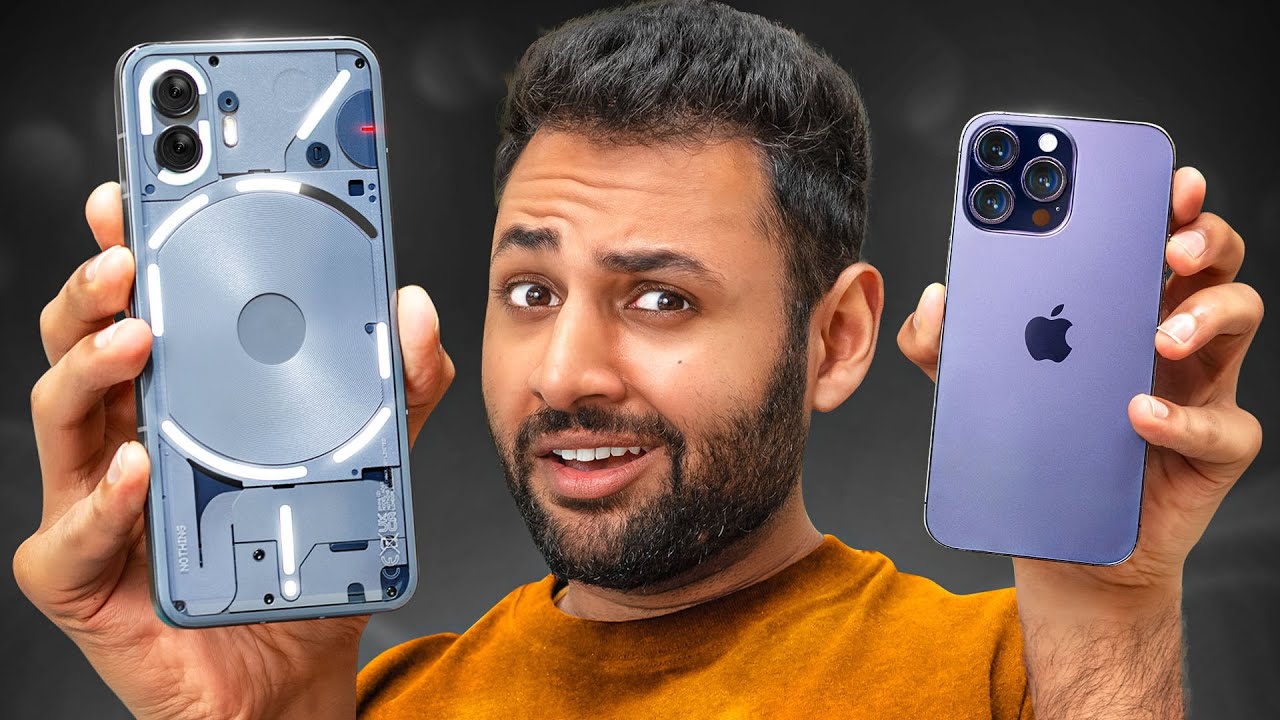
One of the biggest reasons people instantly recognize a Nothing Phone is its design. In a market filled with nearly identical smartphones, the Nothing Phone stands apart immediately. The transparent back panel became a defining feature of the device and helped it gain viral attention online.
The transparent design is not just a gimmick. It reflects the company’s broader philosophy of openness and simplicity. Instead of hiding hardware elements completely, Nothing chose to celebrate the engineering behind the smartphone. This approach gives the device a futuristic and industrial appearance.
Another major design innovation is the Glyph Interface. The LED lighting system on the back of the Nothing Phone serves both aesthetic and functional purposes. It can display notifications, charging status, call alerts, and app-specific signals. This feature adds personality to the device while also improving usability.
The symmetrical design language of the phone is another area where Nothing focused heavily. Many smartphones prioritize internal layout efficiency over visual balance. Nothing attempted to create harmony in the arrangement of components, screws, and lighting patterns.
Build quality also plays an important role in the Nothing Phone experience. The company uses premium materials like aluminum frames and Gorilla Glass protection. As a result, the phone feels solid and durable despite its artistic appearance.
Ergonomics were carefully considered during the design process. The flat edges provide a comfortable grip, while the balanced weight distribution helps improve handling during long periods of use.
Nothing also paid attention to small details that many users appreciate subconsciously. The tactile feel of buttons, the vibration feedback, and the overall in-hand experience contribute to the premium nature of the device.
The design of the Nothing Phone has influenced broader smartphone trends as well. Several manufacturers have started experimenting with more transparent elements and distinctive visual identities after the success of Nothing.
Ultimately, the design philosophy of the Nothing Phone demonstrates that smartphones can still feel creative and exciting. The company proved that aesthetics and functionality do not need to exist separately.
Understanding the Glyph Interface
The Glyph Interface is perhaps the most recognizable feature of the Nothing Phone. These LED strips on the back of the device transformed the phone from a simple communication tool into a visually interactive product.
At first glance, many people assume the Glyph Interface exists purely for style. However, the system offers several practical uses that improve the overall user experience. The lights can act as visual notifications, allowing users to receive updates without constantly checking the screen.
One particularly useful feature is custom notification patterns. Users can assign unique Glyph lighting sequences to different contacts or apps. This means someone can identify notifications based solely on the lighting pattern.
The charging indicator is another smart implementation. Instead of turning on the screen repeatedly to check battery percentage, users can glance at the back LEDs to monitor charging progress.
The Glyph Interface also works as a fill light for photography and videography. Content creators often appreciate the softer lighting effect compared to traditional smartphone flashes.
Nothing continued improving the Glyph system through software updates. Over time, the company introduced more customization options, app integrations, and advanced controls.
The feature also reflects the company’s broader commitment to reducing screen dependency. Modern smartphone users spend enormous amounts of time looking at displays. The Glyph Interface offers alternative ways to interact with notifications and alerts.
Developers have also shown interest in integrating Glyph functionality into applications. As the ecosystem expands, the potential uses of the system may continue growing.
The success of the Glyph Interface proves that hardware innovation still matters in smartphones. Even small creative additions can dramatically change how users interact with their devices.
Nothing OS and the Software Experience
A smartphone’s Nothing Phone hardware may attract users initially, but software determines long-term satisfaction. Nothing understood this reality from the beginning and developed Nothing OS with a strong focus on simplicity and smoothness.
Nothing OS is based on Android but Nothing Phone introduces a cleaner and more refined experience. Unlike many manufacturers that overload devices with unnecessary applications and aggressive visual changes, Nothing kept the interface minimal.
The monochrome-inspired design language gives Nothing OS a distinctive identity. Widgets, icons, fonts, and animations all follow a consistent visual style. This creates a cohesive user Nothing Phone experience that feels polished.
Performance optimization is another strength of Nothing OS. The software is lightweight, which helps the phone remain fast and responsive even during extended use.
One major advantage of the software experience is the absence of excessive bloatware. Users appreciate receiving a cleaner operating system with fewer pre-installed applications.
The company also emphasizes smooth animations and transitions. These details may seem minor individually, but together they contribute significantly to the premium feel of the device.
Nothing regularly provides software updates and feature improvements. This commitment helps strengthen user trust and extends the lifespan of the devices.
YOU MAY HAVE MISSED
About the Author