Traveller Theme
Introduction to the Traveller Theme
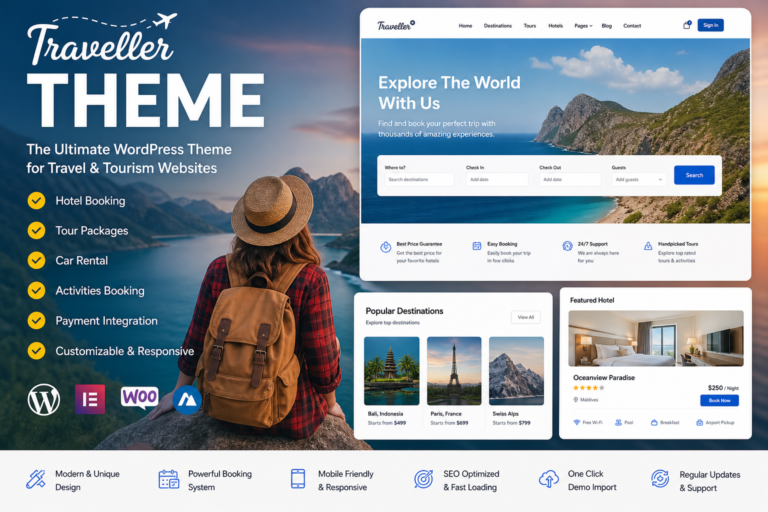
The traveller theme is more than just a design concept—it’s a storytelling framework that captures the essence of exploration, adventure, and cultural discovery. Whether you’re building a website, writing a blog, designing an event, or crafting a brand identity, this theme revolves around movement, curiosity, and global inspiration.
At its core, the traveller theme reflects a lifestyle rather than a simple aesthetic. It embraces diversity, showcasing elements from different regions, traditions, and landscapes. From sandy deserts and tropical beaches to bustling urban cities and quiet mountain retreats, the traveller theme brings all of these experiences into one cohesive narrative.
What makes this theme particularly appealing is its flexibility. It can be minimal and modern, rustic and vintage, or bold and colorful depending on the direction you want to take. That adaptability makes it one of the most popular choices across industries like blogging, tourism, hospitality, and even personal branding.
The Core Elements of a Traveller Theme
A strong traveller theme is built on several foundational elements that work together to create a cohesive experience. The first is visual storytelling. High-quality images, maps, and travel-inspired graphics immediately set the tone and immerse the audience.
Typography also plays a significant role. Fonts used in traveller-themed designs often feel handwritten, adventurous, or slightly rugged. These fonts mimic the feeling of journaling or documenting a journey, making the content feel more personal and authentic.
Another important element is color palette. Traveller themes often use earthy tones like browns, greens, and blues, reflecting nature and landscapes. However, brighter tones inspired by markets, festivals, and cultural diversity can also be incorporated to add vibrancy.
Why the Traveller Theme is So Popular
One major reason behind the popularity of the traveller theme is its emotional appeal. People are naturally drawn to the idea of exploring new places and experiencing different cultures. Even those who don’t travel frequently still enjoy consuming travel-related content.
Another factor is the rise of digital nomad culture. As remote work becomes more common, more people are embracing the lifestyle of working while traveling. This shift has increased demand for travel-inspired content, designs, and platforms.
Additionally, the traveller theme aligns well with social media trends. Platforms like Instagram and Pinterest thrive on visually appealing content, and travel imagery performs exceptionally well. This makes the traveller theme a practical choice for creators looking to grow their online presence.
Traveller Theme in Website Design
In website design, the traveller theme is widely used for blogs, travel agencies, and portfolio sites. A well-designed travel website often features large hero images, interactive maps, and clean navigation.
User experience is crucial in this context. Visitors should be able to explore destinations, read stories, and access resources easily. Features like categorized destinations, travel guides, and itinerary suggestions enhance usability.
Another key aspect is responsiveness. Since many users access travel content on mobile devices, the design must adapt seamlessly to different screen sizes. Fast loading times and optimized images are also essential for keeping users engaged.
Content Strategy for Traveller-Themed Blogs
Content is the backbone of any traveller-themed platform. The most successful travel blogs go beyond simple destination descriptions—they tell stories. Personal experiences, challenges, and unique perspectives make the content more engaging.
Practical information is equally important. Readers often look for tips, such as budgeting advice, accommodation recommendations, and local insights. Providing this kind of value builds trust and encourages repeat visits.
Consistency also matters. Regularly updating content keeps the audience engaged and improves search engine visibility. Combining evergreen content with trending topics ensures long-term growth.
Visual Aesthetics and Photograph
Photography is arguably the most powerful component of the traveller theme. High-quality images can transport viewers to another place instantly. This makes visuals a key factor in capturing attention and retaining interest.
Different styles of photography can be used depending on the brand’s identity. Some prefer a clean and minimal look, while others go for vibrant and dynamic visuals. The choice should align with the overall message you want to convey.
Editing also plays a crucial role. Consistent filters and color grading help maintain a cohesive look across all visuals. This consistency strengthens brand recognition and makes the content more visually appealing.
Branding with a Traveller Theme
Building a brand around the traveller theme requires authenticity. Audiences can easily tell when content feels forced or overly commercial. Genuine experiences and honest storytelling create a stronger connection.
A strong brand identity includes a recognizable logo, consistent color scheme, and a clear voice. The tone should reflect the spirit of travel—curious, open-minded, and adventurous.
Collaborations can also enhance branding. Partnering with other creators, brands, or tourism boards can expand reach and add credibility. These collaborations often lead to unique content opportunities.
Social Media and the Traveller Theme
Social media platforms are ideal for showcasing travel-themed content. Visual platforms like Instagram, TikTok, and Pinterest are particularly effective for sharing travel experiences.
Consistency in posting is key to maintaining engagement. Sharing a mix of photos, videos, and stories keeps the content dynamic. Interactive features like polls and Q&A sessions can also boost audience interaction.
Hashtags and geotags play an important role in discoverability. Using relevant tags helps reach a wider audience and attract people interested in travel-related content.
Monetization Opportunities
The traveller theme offers numerous monetization opportunities. One of the most common methods is affiliate marketing. Recommending travel gear, accommodations, or services can generate income through commissions.
Sponsored content is another popular option. Brands often collaborate with travel creators to promote their products or destinations. These partnerships can be highly lucrative if done authentically.
Digital products also provide a steady income stream. Travel guides, eBooks, and online courses are valuable resources that audiences are willing to pay for. These products can be created once and sold repeatedly.
Challenges of Using a Traveller Theme
While the traveller theme has many advantages, it also comes with challenges. One major issue is competition. The travel niche is highly saturated, making it difficult to stand out.
Another challenge is maintaining originality. With so much content available, it’s important to offer a unique perspective. This requires creativity and a willingness to experiment with new ideas.
Consistency can also be difficult, especially for solo creators. Managing content creation, editing, and promotion can be time-consuming. Planning and organization are essential for overcoming this challenge.
Future Trends in Traveller Theme Design
The traveller theme continues to evolve with changing technology and user preferences. One emerging trend is the use of virtual reality and immersive experiences. These technologies allow users to explore destinations in a more interactive way.
Sustainability is another growing focus. More travelers are becoming conscious of their environmental impact, and this is reflected in travel content and design. Highlighting eco-friendly practices can enhance credibility.
Minimalism is also gaining popularity. Clean layouts, simple navigation, and focused content create a better user experience. This trend is likely to continue as users seek more efficient ways to consume information.
Conclusion
The traveller theme is a powerful and versatile concept that goes beyond aesthetics. It captures the spirit of exploration and connects with audiences on an emotional level. Whether used in design, content creation, or branding, it offers endless possibilities.
Success with this theme requires a balance of creativity, authenticity, and strategy. By focusing on storytelling, high-quality visuals, and user experience, you can create a compelling and memorable presence.
As technology and trends continue to evolve, the traveller theme will remain relevant. Its core essence—curiosity and discovery—resonates deeply with people, making it a timeless choice for creators and brands alike.
YOU MAY HAVE MISSED
About the Author