Women’s Health
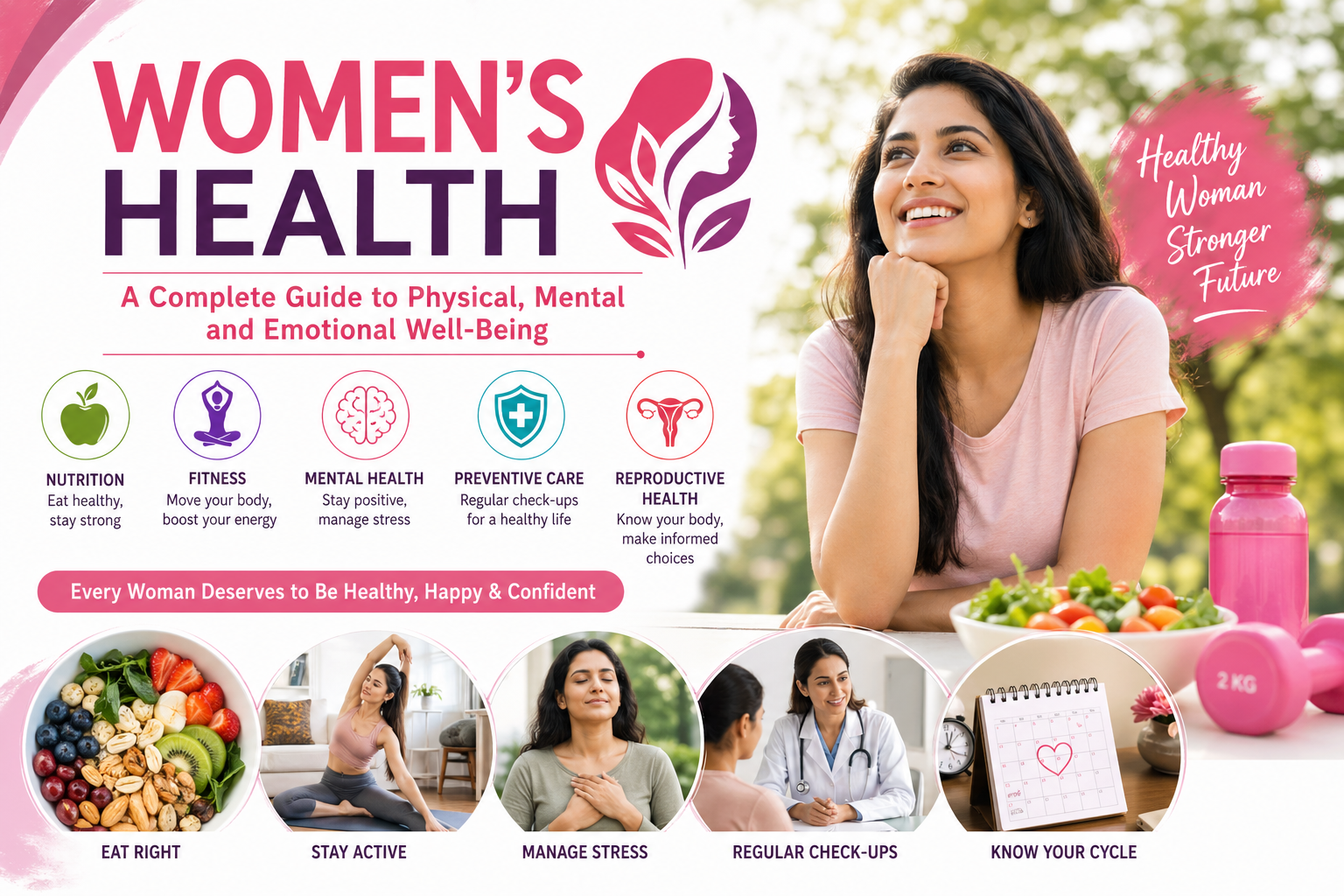
Women’s health is a broad and evolving field that goes far beyond routine doctor visits. It encompasses physical, emotional, hormonal, and social well-being across every stage of life. From adolescence to menopause and beyond, women face unique health challenges that require awareness, proactive care, and informed decision-making.
This guide dives deep into the most important aspects of women’s health, offering practical insights and expert-level understanding in a clear, approachable tone. Whether you’re looking to improve your lifestyle, understand your body better, or stay ahead of potential health issues, this article is designed to support you at every step.
Understanding Women’s Health: Why It Matters More Than Ever
Women’s health is not just a specialized branch of medicine—it’s a fundamental pillar of overall public health. Historically, medical research often focused more on male physiology, leaving gaps in understanding how diseases uniquely affect women. Today, that gap is closing, but awareness is still key.
One of the most important aspects of women’s health is recognizing that women experience symptoms, diseases, and treatments differently. For example, heart disease symptoms in women can be subtle compared to men, which often leads to delayed diagnosis. Hormonal fluctuations throughout life—especially during menstruation, pregnancy, and menopause—also play a major role in shaping overall health.
Another reason women’s health matters is its ripple effect. Women often serve as caregivers and health decision-makers for families. When women are healthy, families and communities tend to be healthier as well. This makes investing in women’s health not just a personal priority, but a societal one.
Lastly, modern lifestyles have introduced new health challenges. Stress, sedentary habits, processed diets, and environmental factors are increasingly affecting women’s physical and mental health. Understanding these challenges is the first step toward overcoming them.
Nutrition and Diet: Fueling the Female Body
Nutrition is the foundation of good health, and women have specific dietary needs that change over time. From iron-rich foods during menstruation to calcium intake for bone health, what you eat directly impacts how your body functions.
Iron is especially important for women of reproductive age, as menstrual cycles can lead to iron loss. Foods like spinach, lentils, red meat, and fortified cereals help maintain healthy levels. Pairing iron-rich foods with vitamin C sources like citrus fruits can improve absorption significantly.
Calcium and vitamin D are crucial for bone health, particularly as women age. Osteoporosis is more common in women, making it essential to build strong bones early and maintain them later in life. Dairy products, leafy greens, and sunlight exposure all contribute to maintaining bone density.
Balanced nutrition also includes healthy fats, lean proteins, and whole grains. Omega-3 fatty acids, found in fish and nuts, support brain health and reduce inflammation. Protein helps maintain muscle mass, while complex carbohydrates provide sustained energy throughout the day.
Hydration is often overlooked but equally important. Drinking enough water supports digestion, skin health, and energy levels. Avoiding excessive sugar and processed foods can also prevent long-term health issues like obesity and diabetes.
Hormonal Health: The Core of Women’s Well-Being
Hormones play a central role in regulating a woman’s body. They influence mood, metabolism, reproductive health, and even sleep patterns. Understanding hormonal balance is key to maintaining overall well-being.
The menstrual cycle is one of the most visible expressions of hormonal activity. It involves a complex interaction between estrogen and progesterone. Any imbalance in these hormones can lead to irregular periods, mood swings, or conditions like polycystic ovary syndrome.
Hormonal health becomes even more significant during life transitions such as puberty, pregnancy, and menopause. Each stage brings its own set of changes and challenges. For example, menopause can lead to symptoms like hot flashes, sleep disturbances, and decreased bone density.
Stress is a major disruptor of hormonal balance. Chronic stress increases cortisol levels, which can interfere with other hormones and lead to issues like weight gain, fatigue, and mood disorders. Managing stress through relaxation techniques and lifestyle changes is essential.
Regular check-ups and open communication with healthcare providers can help identify hormonal issues early. Blood tests, lifestyle assessments, and symptom tracking are useful tools in maintaining hormonal health.
Reproductive Health: Knowledge is Power
Reproductive health is a critical component of women’s health, encompassing everything from menstrual health to fertility and pregnancy. Understanding your reproductive system empowers you to make informed choices about your body.
Menstrual health is often the first indicator of reproductive well-being. Regular cycles typically signal balanced hormones, while irregularities may point to underlying issues. Tracking your cycle can help identify patterns and detect changes early.
Contraception is another important aspect of reproductive health. There are various options available, including hormonal methods, barrier methods, and long-term solutions. Choosing the right method depends on individual needs, lifestyle, and medical history.
Fertility awareness is also gaining attention. Understanding ovulation cycles can help women plan or prevent pregnancy. For those trying to conceive, maintaining a healthy lifestyle and seeking medical advice when needed can improve outcomes.
Pregnancy care involves proper nutrition, regular check-ups, and emotional support. Prenatal care ensures the health of both mother and baby, while postnatal care focuses on recovery and mental well-being.
Mental Health: Breaking the Silence
Mental health is just as important as physical health, yet it is often overlooked. Women are more likely to experience conditions like anxiety and depression, making awareness and support crucial.
Hormonal fluctuations can significantly impact mood. For example, premenstrual syndrome (PMS) and postpartum depression are directly linked to hormonal changes. Recognizing these patterns can help in managing symptoms effectively.
Social pressures and expectations also play a role in women’s mental health. Balancing career, family, and personal life can lead to stress and burnout. It’s important to set boundaries and prioritize self-care.
Therapy and counseling are valuable tools for maintaining mental health. Talking to a professional can provide clarity, coping strategies, and emotional support. Seeking help is a sign of strength, not weakness.
Mindfulness practices such as meditation, yoga, and journaling can also improve mental well-being. These techniques help reduce stress, enhance focus, and promote emotional balance.
Fitness and Physical Activity: Staying Strong and Energized
Physical activity is essential for maintaining overall health. It improves cardiovascular health, strengthens muscles, and boosts mental well-being. For women, regular exercise also helps regulate hormones and manage weight.
A balanced fitness routine includes a mix of cardio, strength training, and flexibility exercises. Cardio activities like walking, running, or cycling improve heart health, while strength training builds muscle and supports bone density.
Flexibility exercises such as yoga or stretching enhance mobility and reduce the risk of injury. These activities are especially beneficial for women as they age, helping maintain independence and quality of life.
Consistency is more important than intensity. Even moderate exercise done regularly can yield significant health benefits. Finding activities you enjoy makes it easier to stay committed.
Listening to your body is crucial. Overtraining can lead to fatigue and injuries, so rest and recovery should be part of any fitness plan.
Preventive Healthcare: Staying Ahead of Illness
Preventive healthcare focuses on early detection and prevention of diseases. Regular screenings and check-ups are vital for maintaining long-term health.
Common screenings for women include breast exams, cervical screenings, and bone density tests. These help detect conditions early, when they are most treatable.
Vaccinations also play a role in preventive care. Staying up to date with recommended vaccines protects against various illnesses and contributes to overall health.
Lifestyle choices significantly impact disease prevention. A balanced diet, regular exercise, and avoiding harmful habits like smoking can reduce the risk of chronic diseases.
Building a relationship with a trusted healthcare provider ensures personalized care and timely interventions.
Aging Gracefully: Health in Later Years
Aging is a natural process, and maintaining health during this stage requires attention and care. Women often face unique challenges as they age, including hormonal changes and increased risk of certain diseases.
Menopause is a significant milestone, marking the end of reproductive years. While it brings physical changes, it also offers an opportunity to focus on overall well-being.
Bone health becomes increasingly important with age. Ensuring adequate calcium and vitamin D intake, along with weight-bearing exercises, helps maintain bone strength.
Cognitive health is another key aspect. Staying mentally active through reading, puzzles, or learning new skills can support brain function and reduce the risk of cognitive decline.
Social connections and emotional well-being also contribute to healthy aging. Maintaining relationships and engaging in community activities can enhance quality of life.
Common Health Conditions in Women
Women are more susceptible to certain health conditions, making awareness and early detection essential. Conditions like anemia, osteoporosis, and thyroid disorders are relatively common.
Autoimmune diseases are also more prevalent in women. These conditions occur when the immune system attacks the body’s own tissues, leading to various symptoms.
Heart disease, often considered a male-dominated condition, is actually a leading cause of death among women. Recognizing symptoms and managing risk factors is crucial.
Reproductive health conditions such as endometriosis and fibroids can significantly impact quality of life. Early diagnosis and treatment can help manage these conditions effectively.
Regular health check-ups and staying informed about symptoms can make a significant difference in managing these conditions.
Lifestyle Choices: Small Habits, Big Impact
Lifestyle choices play a major role in shaping women’s health. Simple daily habits can have a lasting impact on overall well-being.
Sleep is one of the most important yet overlooked aspects of health. Quality sleep supports physical recovery, mental clarity, and emotional balance. Aim for 7–9 hours of sleep each night.
Stress management is equally important. Chronic stress can lead to various health issues, including hormonal imbalances and weakened immunity. Finding healthy ways to cope with stress is essential.
Avoiding harmful habits such as smoking and excessive alcohol consumption can significantly improve health outcomes. These habits are linked to numerous diseases and should be minimized or eliminated.
Building a routine that includes healthy eating, regular exercise, and self-care can create a strong foundation for long-term health.
Final Thoughts: Taking Charge of Your Health
Women’s health is a lifelong journey that requires awareness, proactive care, and informed decisions. By understanding your body and prioritizing your well-being, you can lead a healthier, more fulfilling life.
The key is consistency. Small, positive changes made over time can lead to significant improvements in health. Whether it’s eating better, exercising regularly, or seeking medical advice, every step counts.
Empowerment through knowledge is one of the most powerful tools in women’s health. Stay informed, ask questions, and advocate for your health needs.
Ultimately, taking care of yourself is not just about living longer—it’s about living better.
YOU MAY HAVE MISSED
About the Author